
Optimal Timing for Gas Line Service
Gas line service is essential for maintaining safe and efficient gas supply systems in residential and commercial properties. Proper timing ensures minimal disruption and optimal safety. Typically, scheduling during periods of low activity or before major renovations can prevent unexpected issues.
Spring and fall are ideal times for gas line service due to moderate weather conditions, reducing the risk of weather-related delays.
Performing gas line inspections before new construction or renovations helps identify potential issues early.
Regular inspections every few years ensure safety and compliance, regardless of season.
After severe weather, such as storms or hurricanes, it's advisable to have gas lines checked for damage.
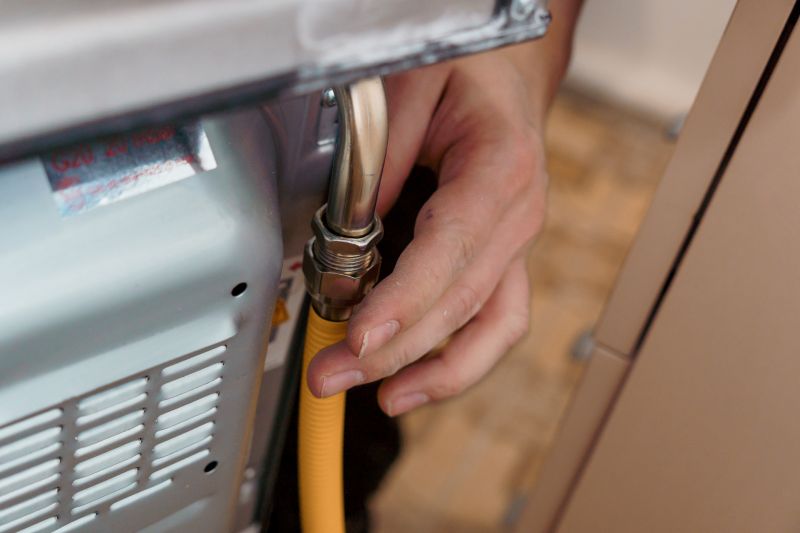
Technicians inspecting gas lines for leaks and damage.
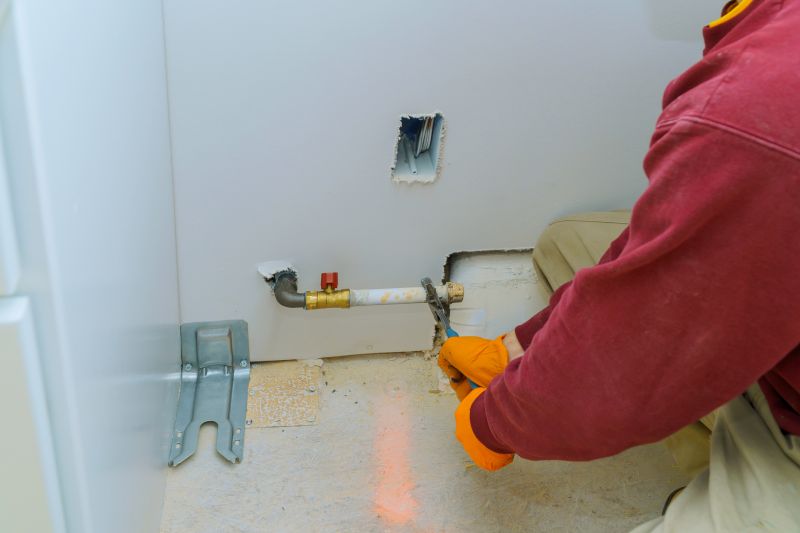
Professional repair work to ensure safety and compliance.
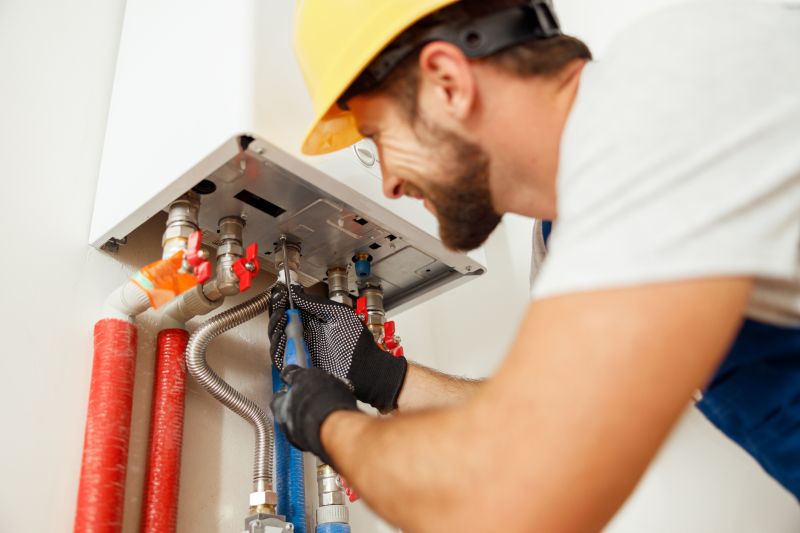
Installing new gas lines for appliances or renovations.
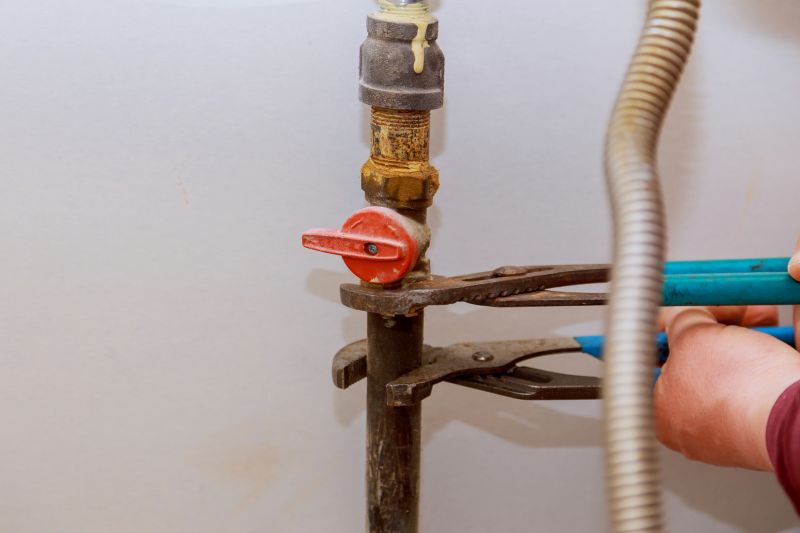
Ways to make Gas Line Service work in tight or awkward layouts.
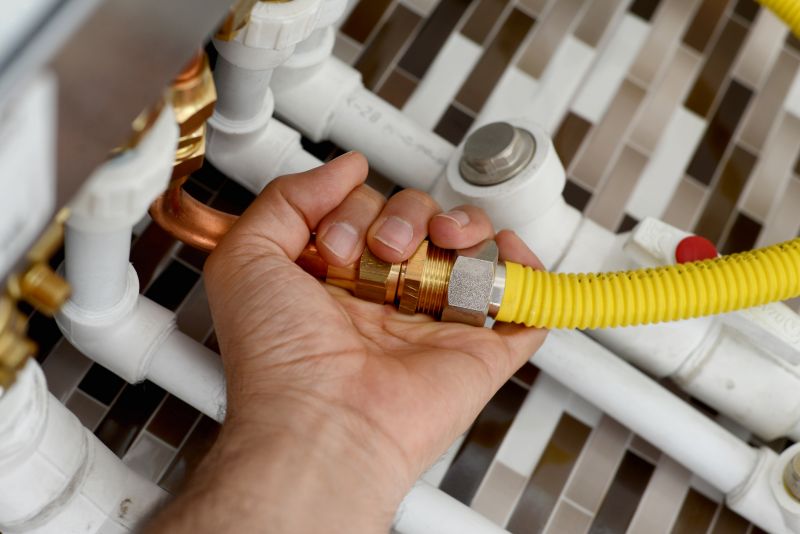
Popular materials for Gas Line Service and why they hold up over time.
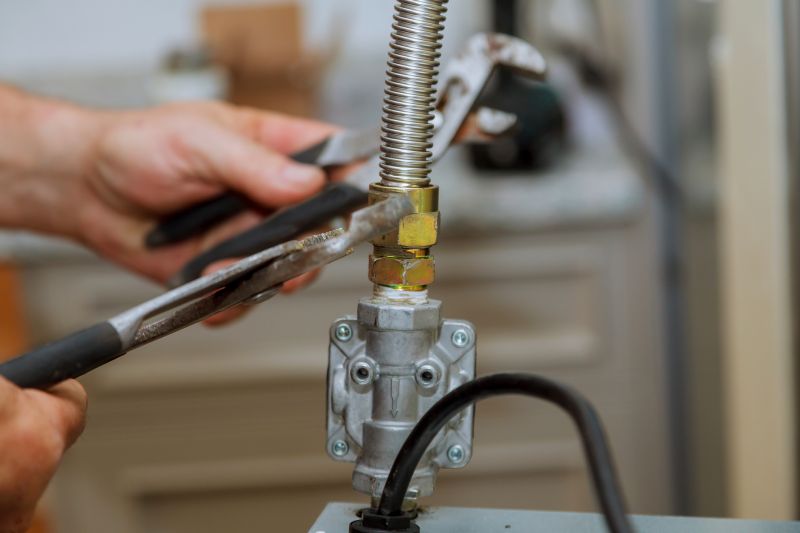
Simple add-ons that improve Gas Line Service without blowing the budget.
Gas line service involves a range of activities including inspection, repair, and installation. Proper maintenance of gas lines is crucial for safety, preventing leaks, and ensuring the efficient operation of appliances. The process often includes leak detection, corrosion assessment, and replacement of outdated piping systems. Regular service can help identify potential hazards before they become serious issues, reducing the risk of fire or carbon monoxide leaks.
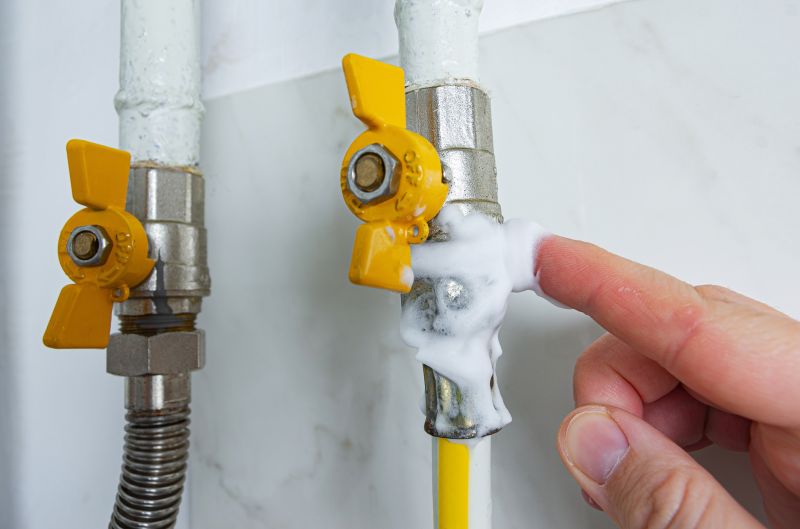
Specialized equipment used to identify leaks in gas lines.
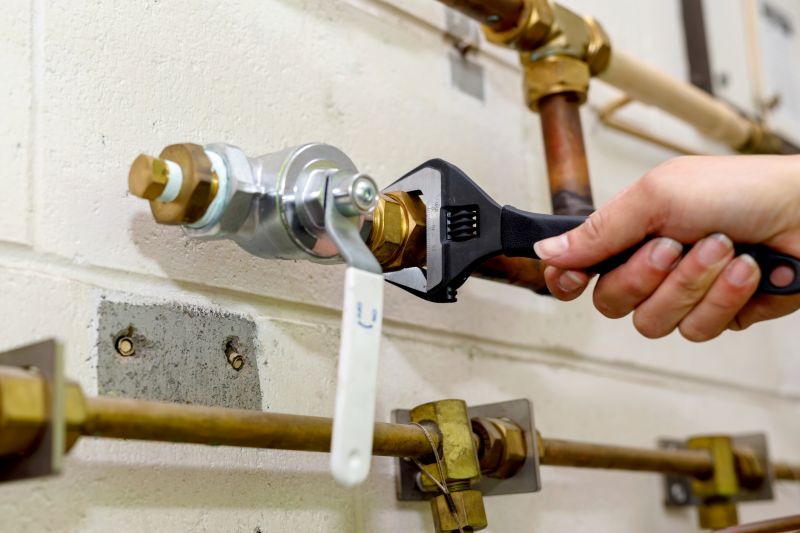
Assessing and addressing corrosion to prevent leaks.
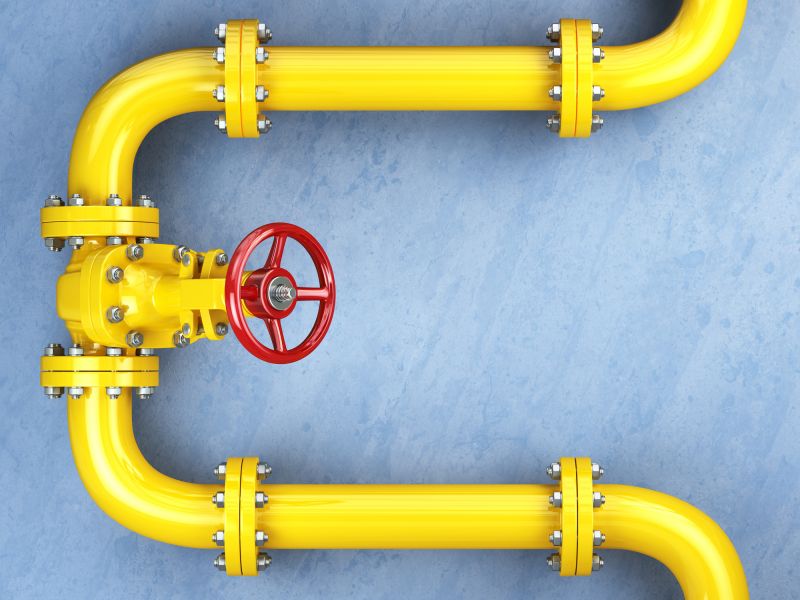
Upgrading old or damaged gas piping systems.
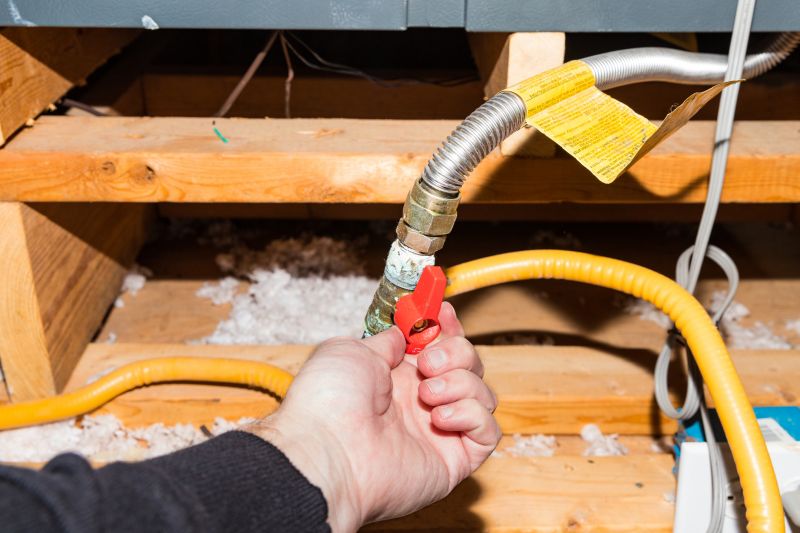
Installing regulators and shut-off valves for safety.
| Aspect | Details |
|---|---|
| Optimal Seasons | Spring and fall are preferred for scheduling gas line services. |
| Weather Impact | Severe weather can delay or complicate service appointments. |
| Pre-Season Checks | Perform inspections before winter or summer to ensure safety. |
| Post-Event Inspection | Check gas lines after storms or hurricanes. |
| Routine Maintenance | Every 3-5 years to maintain safety and efficiency. |
| Emergency Situations | Immediate inspection recommended if leaks or damages are suspected. |
| New Installations | Best scheduled during low-demand periods for minimal disruption. |
| Renovation Planning | Coordinate with construction schedules to ensure safety. |
Scheduling gas line service at appropriate times can prevent emergencies and ensure compliance with safety standards. Regular inspections and timely repairs help maintain a reliable gas supply, reduce the risk of leaks, and extend the lifespan of piping systems. Consulting with professionals about the best timing for service can optimize safety and operational efficiency.